
At a glance
| Item | What to look at | If it fails |
|---|---|---|
| Bases | Seated, no sinking or improvised shims | Nobody climbs until fixed |
| Braces and pins | Complete on every frame set | Replace before climbing |
| Platforms | Secure, no gaps, no excess material | Complete the deck and unload |
| Casters (mobile tower) | Locked | Lock before climbing |
| Weather | No strong wind or lightning | Work at height stops |
Before assembly: the ground decides
- Firm, level ground. On loose soil, fresh fill or mud, scaffolding sinks on one side: compact first or spread the load with sole boards under the bases.
- No blocks, bricks or buckets as shims: they crack or slide.
- Look up: power lines, eaves and branches define where you can NOT build.
- Fence off the area below: whatever falls from a scaffold falls on someone.
The assembly order
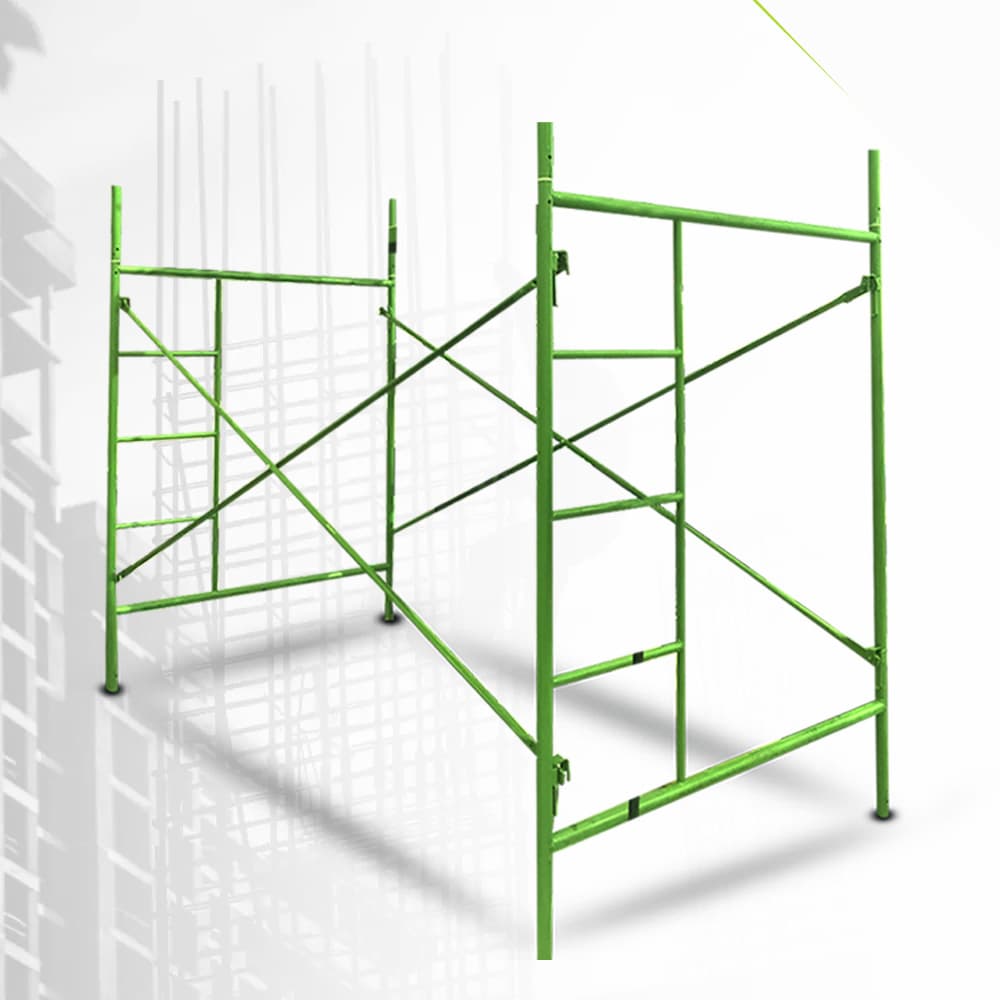
- 1. Set the bases and level the first frame set. If the first level is out of true, everything above it is worse.
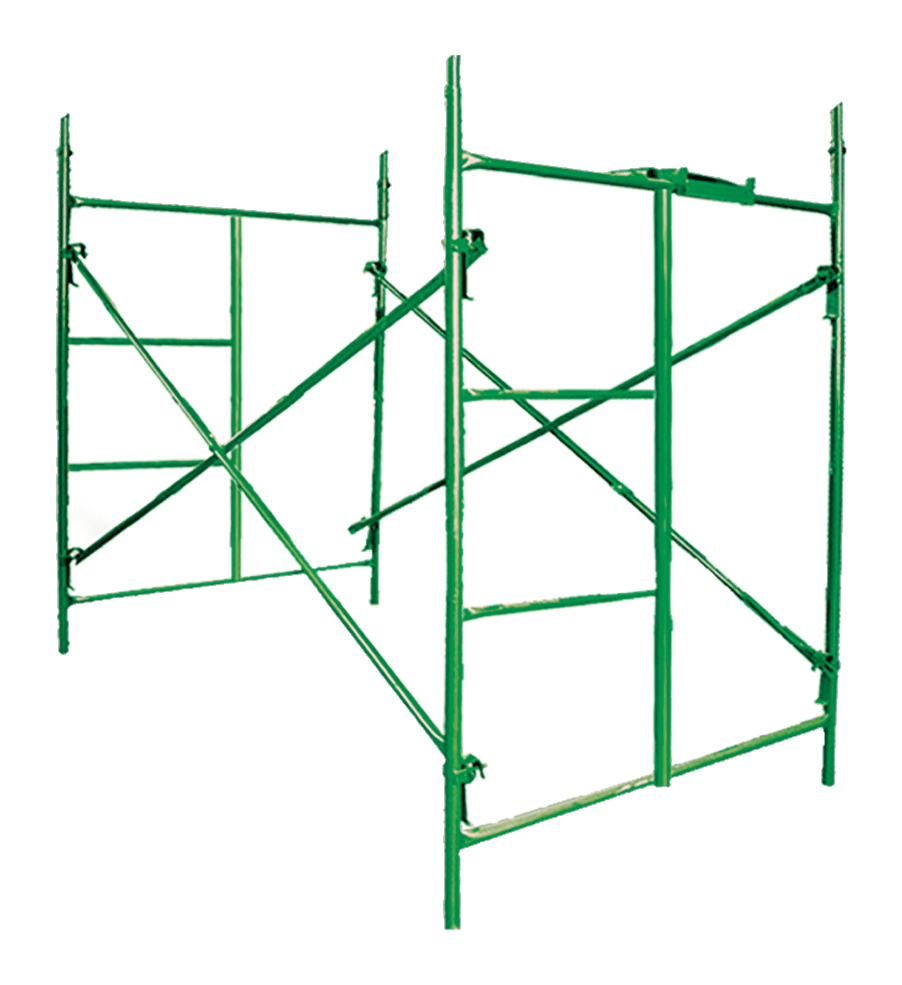
- 2. Fit the cross braces on both sides of every frame set before adding the next level. A frame set without braces isn't a structure.
- 3. Secure the joints between stacked frames with their pins.
- 4. Lay full platforms on the working level: a continuous deck, no gaps or loose boards.
- 5. Install access: a ladder, not the cross braces.
- 6. As the scaffold grows taller, tie it to the structure as it rises, as directed by the site lead.
The every-shift check (two minutes)
- Bases seated, no sinking and no improvised shims.
- Braces and pins complete on every frame set.
- Platforms secure, no gaps, no excess material piled up.
- On a mobile tower, casters locked before anyone climbs.
- Weather: in strong wind or lightning, nobody goes up.
Mobile tower: three non-negotiable rules
- Lock the casters before climbing and keep them locked while anyone is up.
- Never move it with people or material on it.
- Move it only on firm, flat floor with no holes, pushing from the base.
What we deliver and what's on you
At RentaCentro you rent galvanized steel modules inspected between rentals, and delivery is documented with the condition they arrive in. During the rental, the daily check and proper use are on the site: if a piece arrives or ends up bent, set it aside and tell your advisor — don't use it. Damage beyond normal wear is billed separately, as the requirements page states. On return, everything is checked against the delivery record.
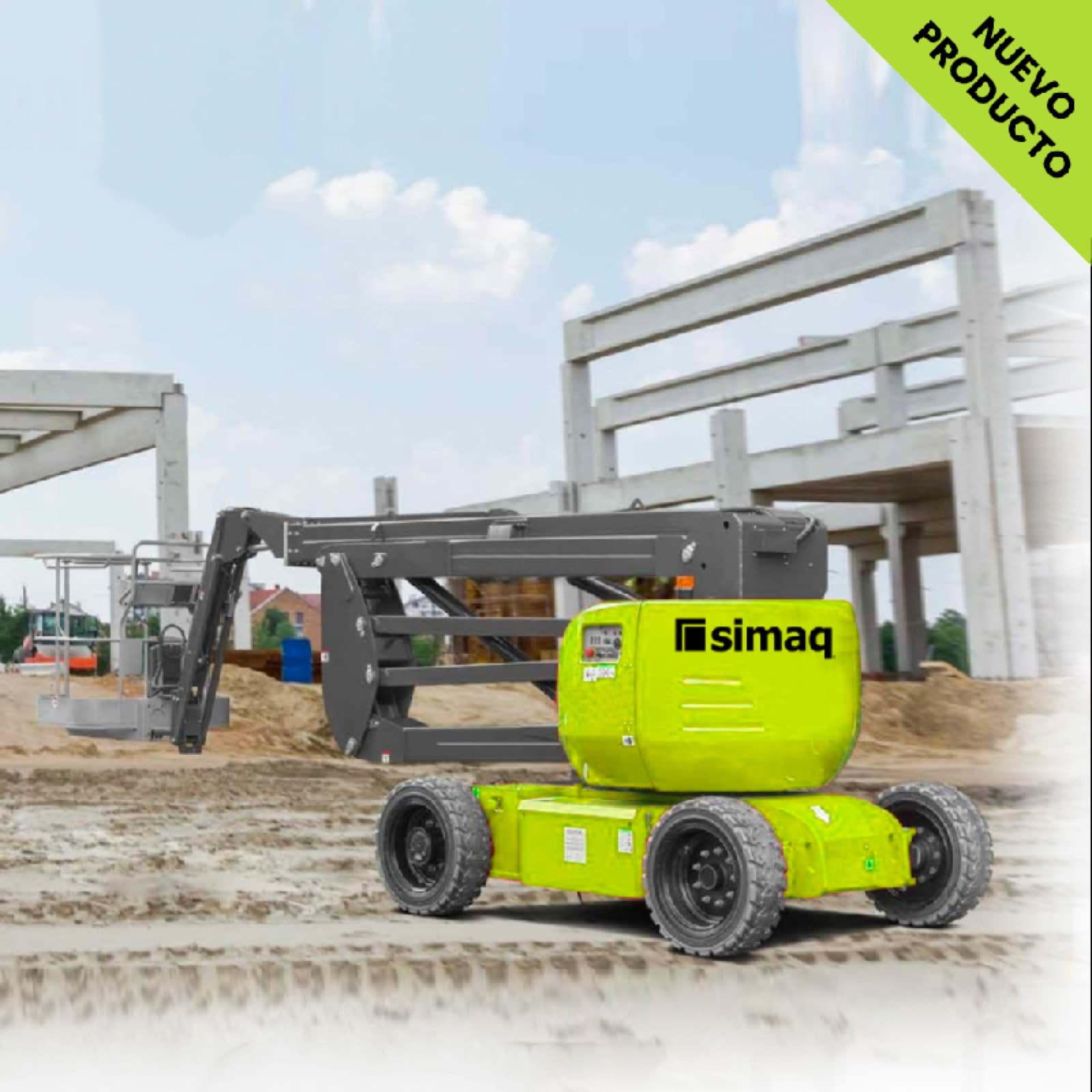
Is the job short, or do you keep changing spots? For many jobs at height, a scissor or boom lift with guardrails gets it done with nothing to assemble.
Common mistakes
- Climb the cross braces or the outside of the scaffold.
- Remove a brace 'just for a second' to pass material through.
- Stand on a bucket or a ladder on top of the platform to gain height: if you're short on height, you're short a level.
- Overload the platform with blocks, bags or mortar.
- Work at height without the protective equipment your site requires.
Frequently asked questions
Which regulations apply to scaffolding on my site?
Your country's occupational safety rules and whatever your project's safety lead sets. This guide covers the basics of assembly and use; it doesn't replace them.
Can I move the tower with someone on it?
No. Get people and material down, release the brakes, push it from the base over firm floor and lock it again before anyone climbs.
What if a piece arrives bent or gets damaged?
Don't use it: set it aside and tell your advisor. Modules are inspected between rentals and delivery is documented; damage beyond normal wear is billed separately.
When is a lift better than scaffolding?
When the job is short or you keep changing spots on firm ground: the 12.4 m electric scissor lift rises with a full guardrail and nothing to assemble, and the 13.7 m boom reaches around obstacles. For façade work lasting weeks, scaffolding usually comes out ahead.
How many modules do I need?
Do the levels × bays math with the platform height and wall length — it's step by step in the guide on how many scaffold frames you need — or give us the measurements and we'll do it in your quote.
Equipment in this guide
Add them to your quote with the + button and send them together, with dates, in a single request.
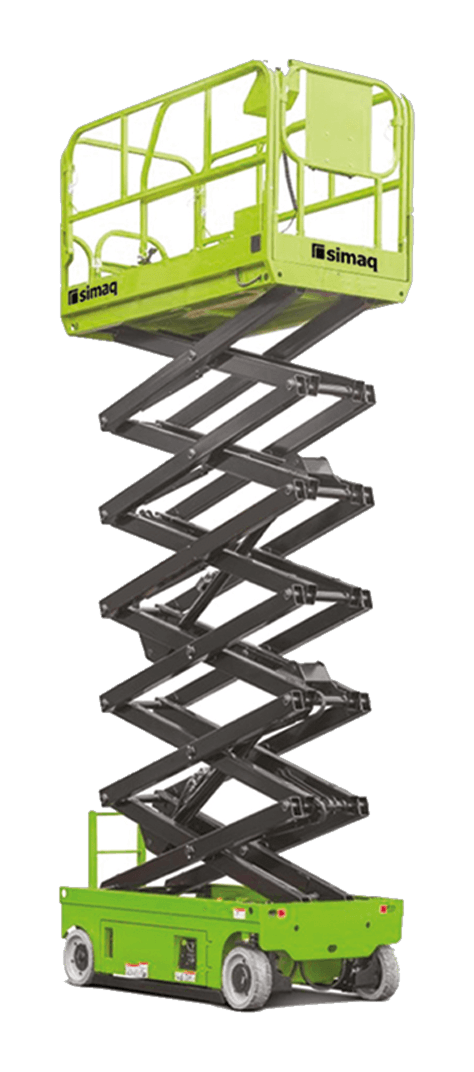
 SIMAQ SQTHZ 170 PRO Articulating Boom Lift (13.7 m)
Reach that works around obstacles at height.
Get a quote