At a glance
| Work | Break / dig | Compact / finish |
|---|---|---|
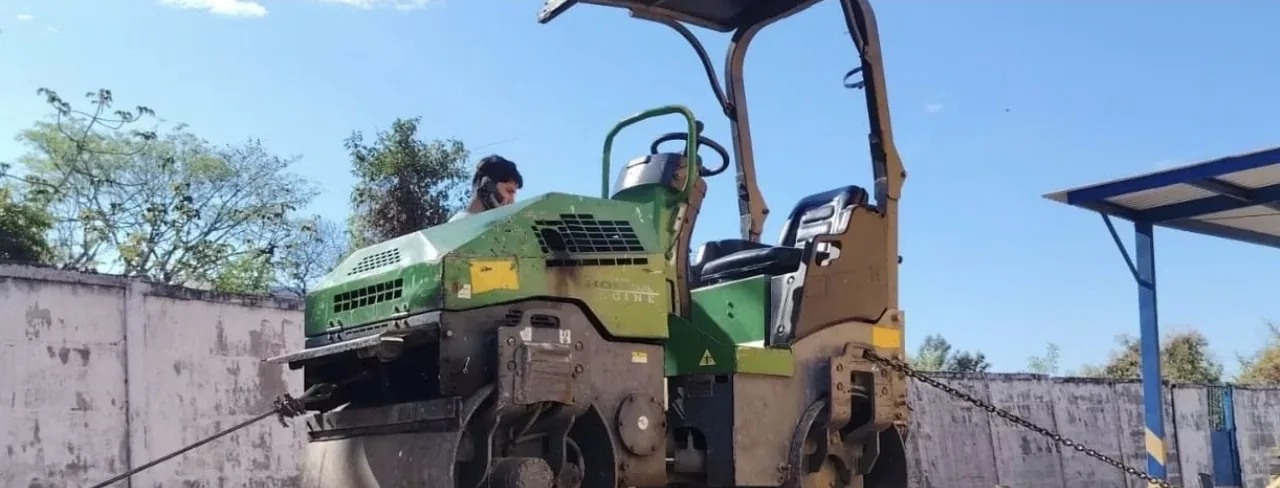
| Patching | Backhoe breaker + skid steer | Walk-behind double-drum roller |
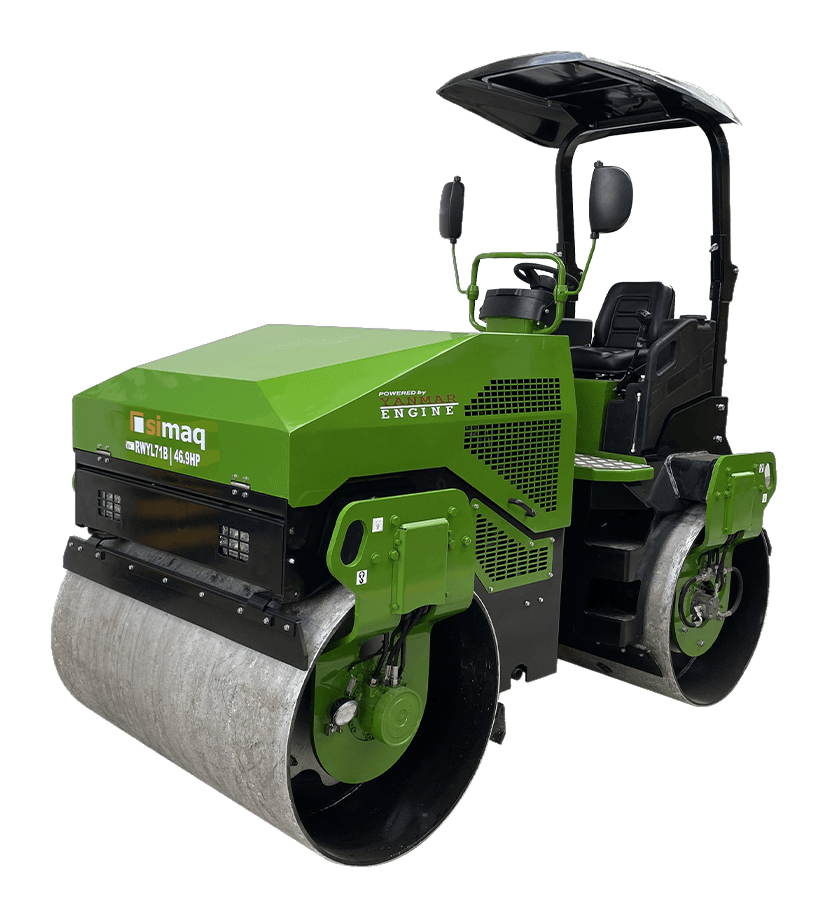
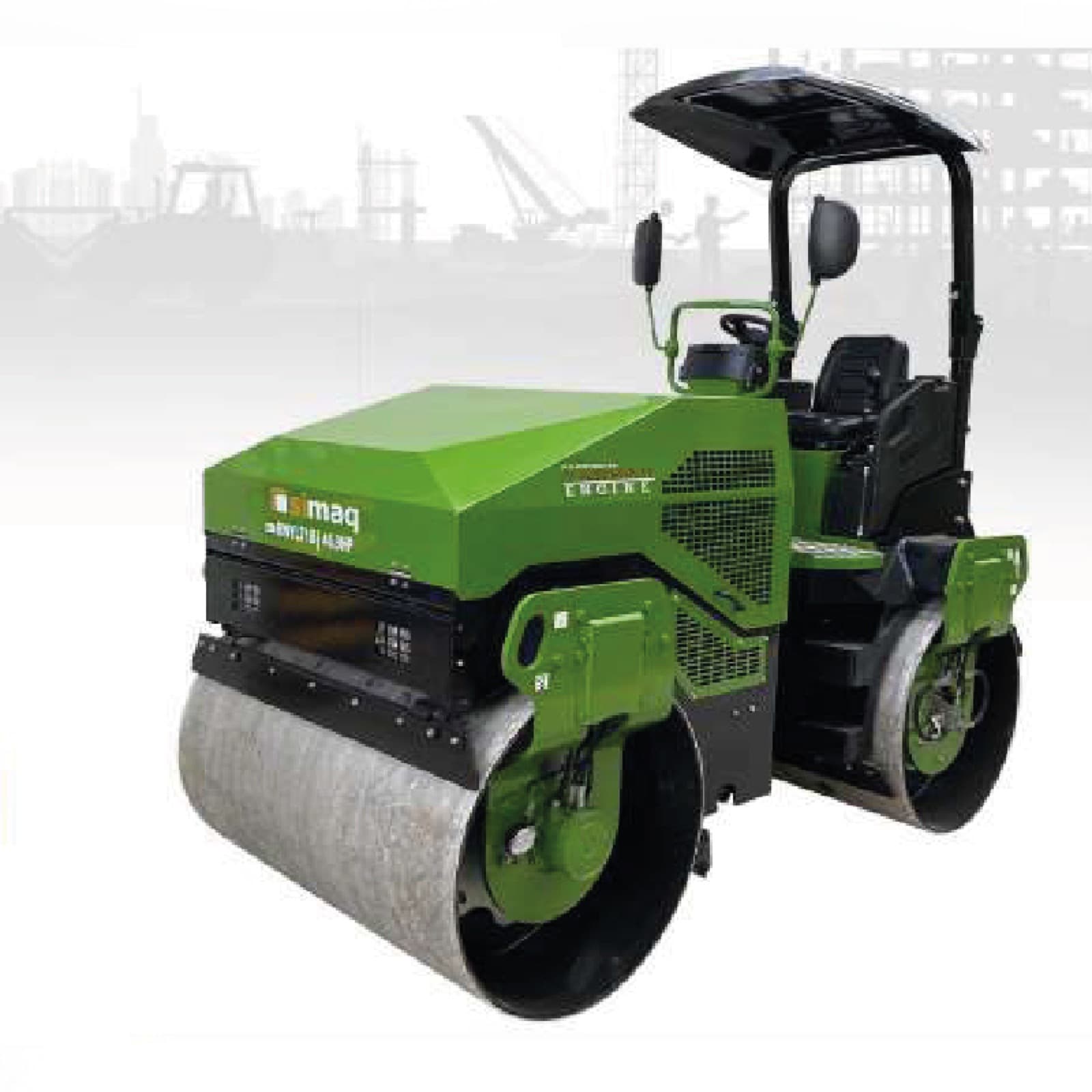
| Base and earthworks | Excavator or backhoe | 4.2 t tandem roller |
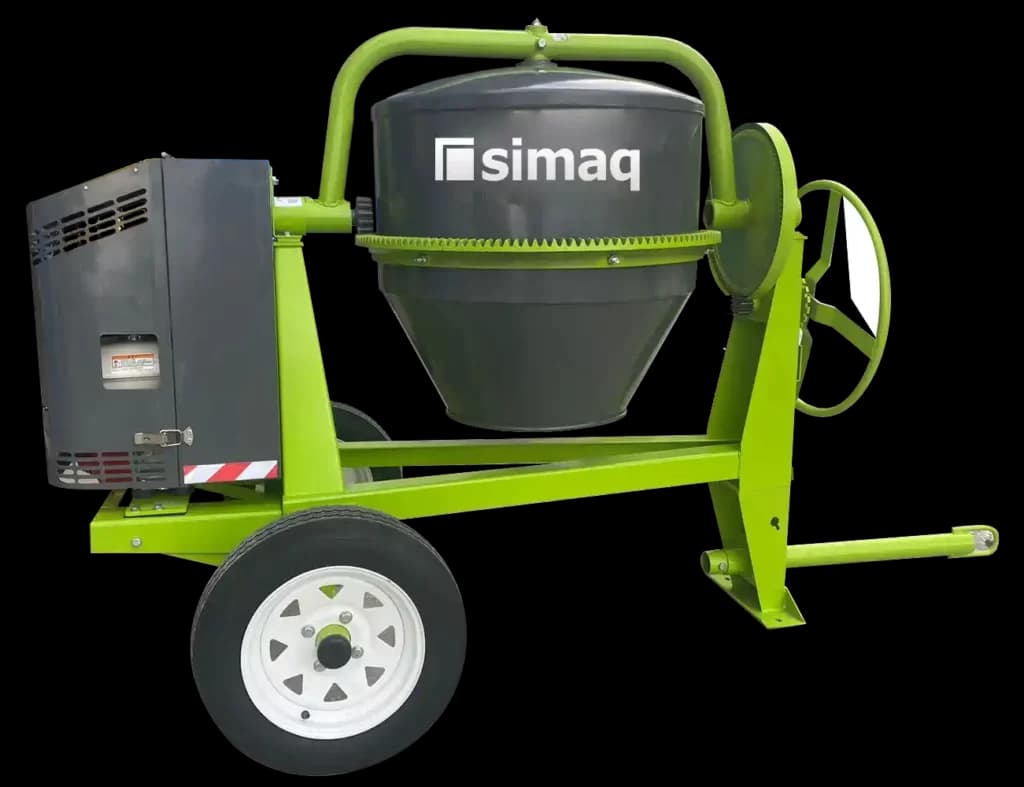
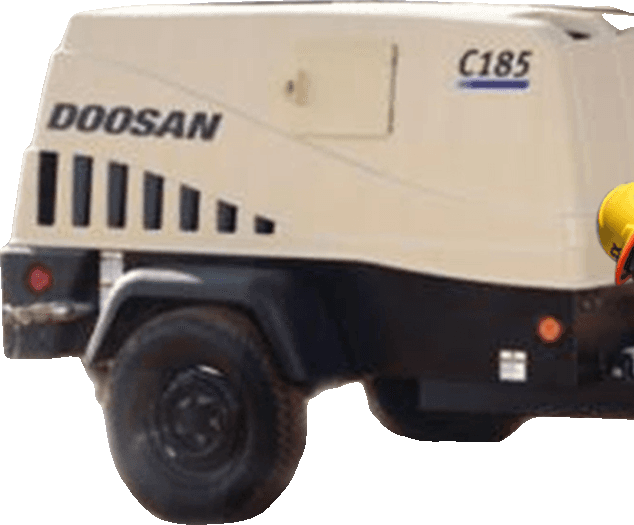
| Ditches and headwalls | Compressor + pneumatic breaker | Mixer, vibrator, trowel, saw |
| Night work | — | Light towers + message board |
First: what the scope of the stretch says
Patching is not the same as replacing the base, and clearing the right of way is not the same as building ditches. Before asking for machines, break the scope into the tasks you'll actually run and in what order — the front is built on that list, not on the catalog. One stretch can need three different fronts in three different weeks.
The minimum front, by type of work
- Patching and surface replacement: hydraulic breaker on a backhoe to break out, skid steer to remove and load, light roller to compact the patch.
- Base and earthworks: excavator or backhoe to dig and load, plus a big roller to compact the base in layers.
- Ditches, fords and headwalls: mixer, vibrator, power trowel and floor saw for the joints.
- Demolition with pneumatic tools: a towable compressor feeding the breakers where the machine can't reach.
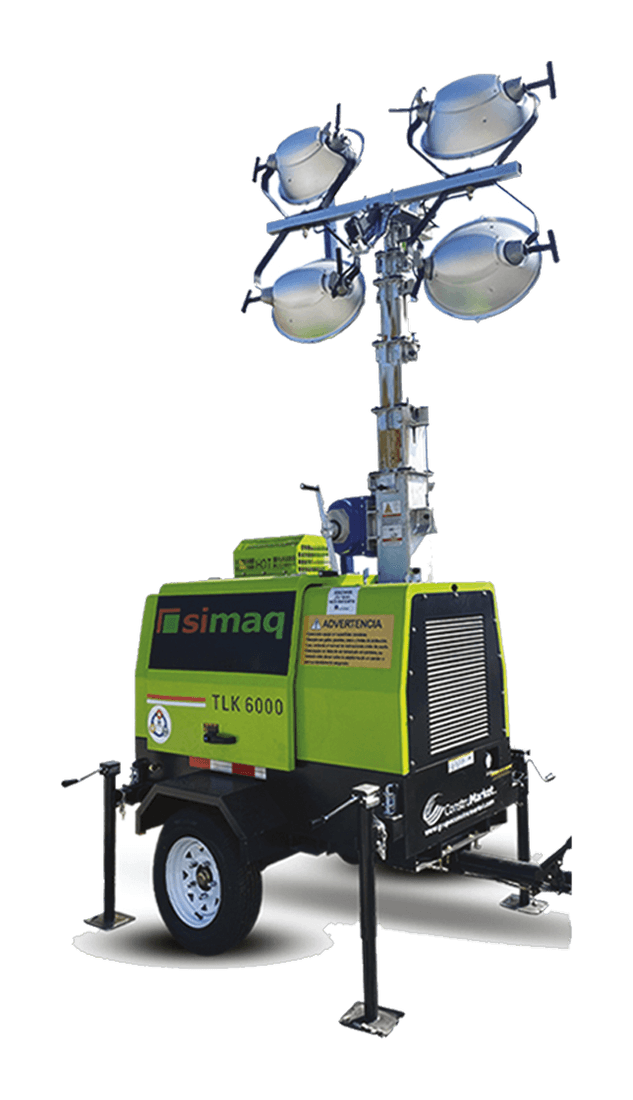
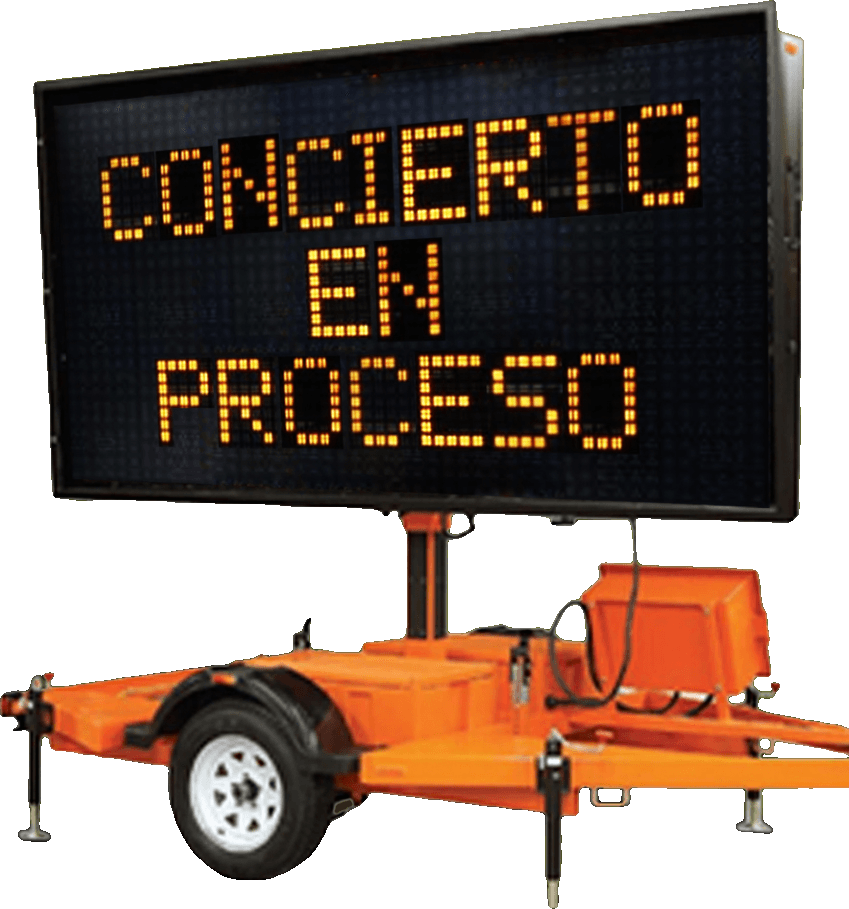
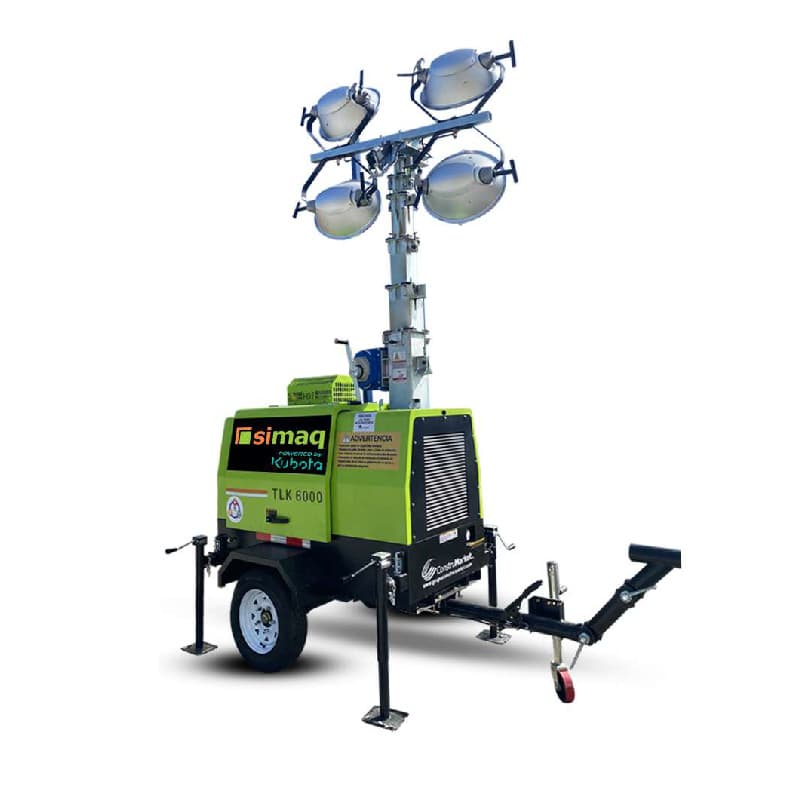
- Signage and night work: a variable message board and light towers to close and light the lane.
Compaction: the most repeated mistake
Bringing a single roller for the whole stretch is the classic one. The big roller performs on base and embankment, but it won't fit in a trench or give a fine finish on a patch; the light double-drum roller is the one that works well on asphalt and patching, and in a trench or confined backfill the rammer is what performs. The front almost always needs two different compaction machines, not one bigger one.
Working at night: what changes on the list
If the stretch is worked at night to keep traffic moving by day, lighting and signage stop being accessories and become part of the front. Ask for them in the same dispatch as the machinery: the light tower covers the work area and the message board warns the driver before they reach the cone. A night front without them isn't cheaper — it's riskier.
Quote the whole front, with dates
On the site you can build a list with every machine in the front and attach start and return dates, and you get ONE proposal covering the whole package instead of five separate quotes that later don't line up. If the stretch runs for months, long-term rental (6 to 24 months) carries a preferred rate and a fleet dedicated to the project. Remember what almost every list forgets: transport between fronts, an operator if your crew has nobody certified on that line, and that maintenance is on us — if a machine fails, we arrange the replacement so the front doesn't stop.
Common mistakes
- One roller for the whole stretch: you almost always need two different compaction machines.
- Leaving lighting and signage 'for later' on a night front.
- Forgetting transport between fronts: the stretch advances and the machine has to move.
- Quoting machine by machine: five loose proposals that don't match the schedule.
Frequently asked questions
Can you deliver the equipment straight to the stretch?
Yes. We coordinate delivery and pickup in all four countries, with rigging and mobilization right to the work front — not just to the yard.
Does this work for multi-month maintenance contracts?
Yes: long-term rental (6 to 24 months) carries a preferred rate and a fleet dedicated to the project, without tying up capital buying machines for a contract that has an end date.
How many rollers does a road front need?
Almost always two different machines: the 4.2 t tandem for base and mat, and the walk-behind double drum for patching — plus a rammer if there are trenches.
Do you have signage equipment or just machinery?
Both. Variable message boards and LED light towers rent just like the machinery and ship in the same dispatch.
Do you rent with an operator for roadworks?
Yes, operated rental with a certified operator in all four countries. You run the front; we provide the machine and the person operating it.
Equipment in this guide
Add them to your quote with the + button and send them together, with dates, in a single request.
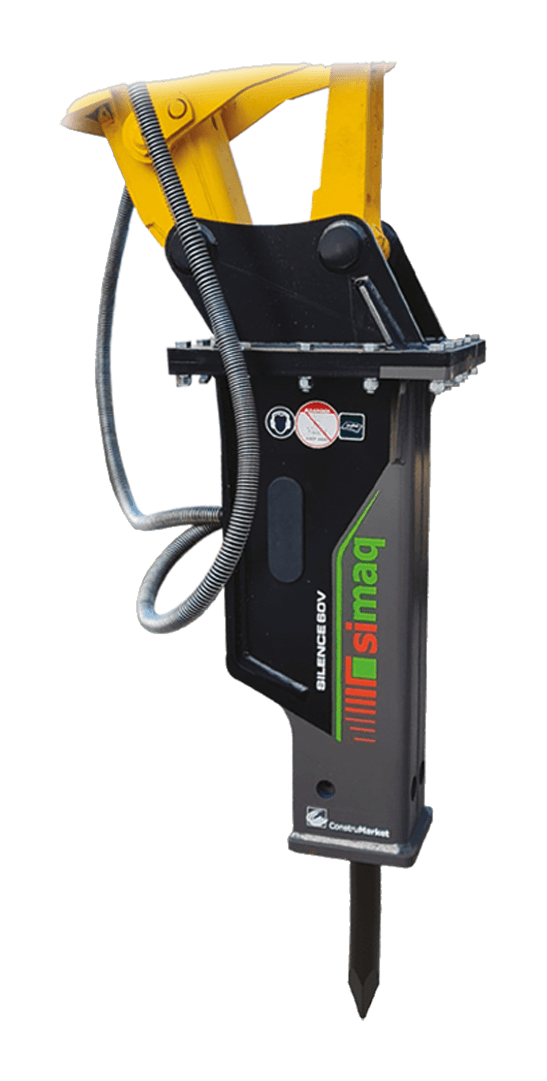 SIMAQ DB 60V Hydraulic Breaker for Backhoe
Breaks concrete and rock mounted on the backhoe — without buying the attachment.
Get a quote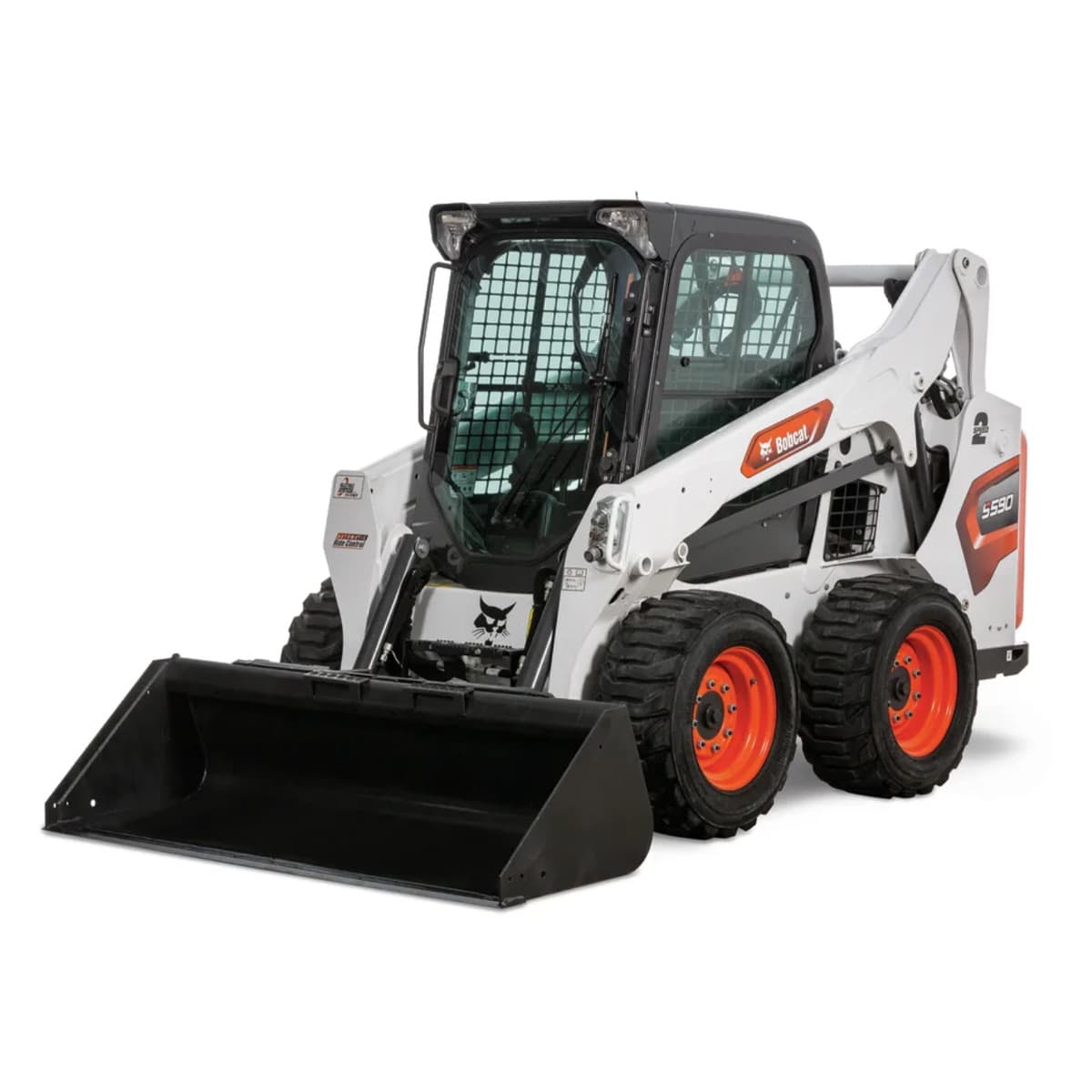
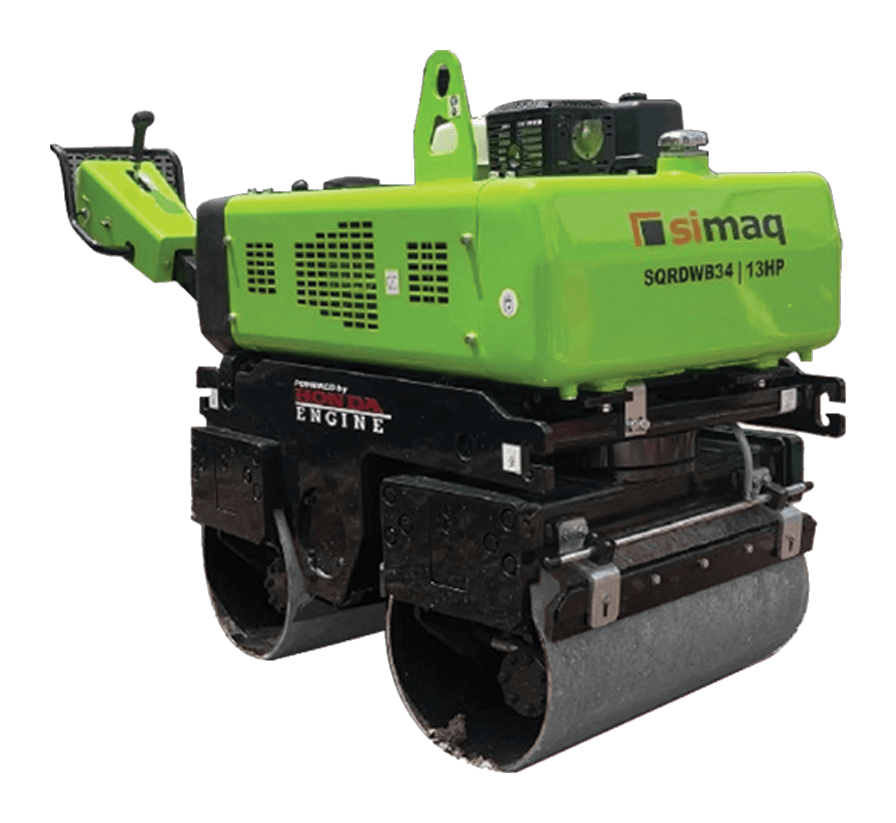 SIMAQ SQRDWB L34 Double-Drum Roller (0.8 t)
Walk-behind double vibrating drum for base and asphalt.
Get a quote