At a glance
| Roller | Weight | Operation | Best for |
|---|---|---|---|
| SQRDWB L34 walk-behind | ~0.84 t | Walk-behind | Patching, sidewalks, small areas |
| SQRD L51 ride-on | 1.5 t | Onboard operator | Embankments, parking lots, minor roads |
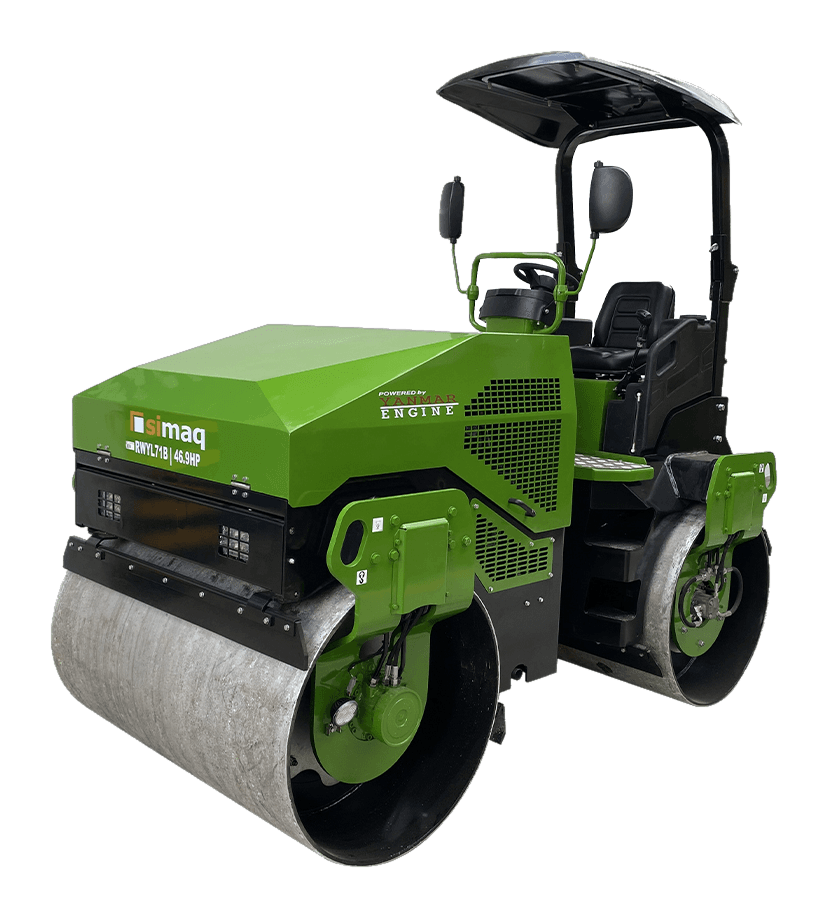
| SQRD L71 tandem | 4.2 t | Onboard operator, diesel | Road base and asphalt mat |
The fleet's three rollers
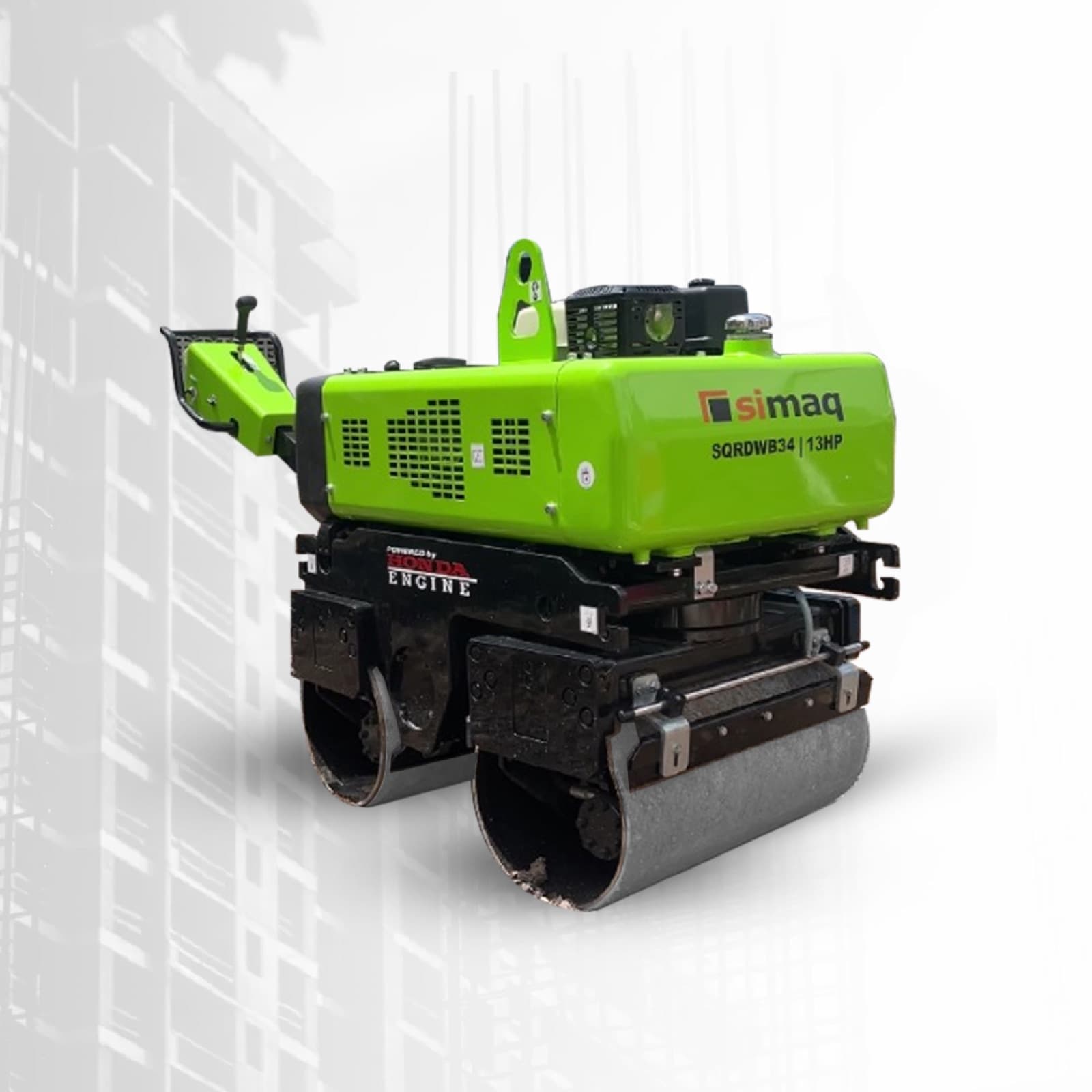
- SIMAQ SQRDWB L34 walk-behind: ~0.84 t, 680 mm double vibrating drum, 17 kN force, 0–3.5 km/h, 13 HP Honda GX390 engine. The operator walks behind.
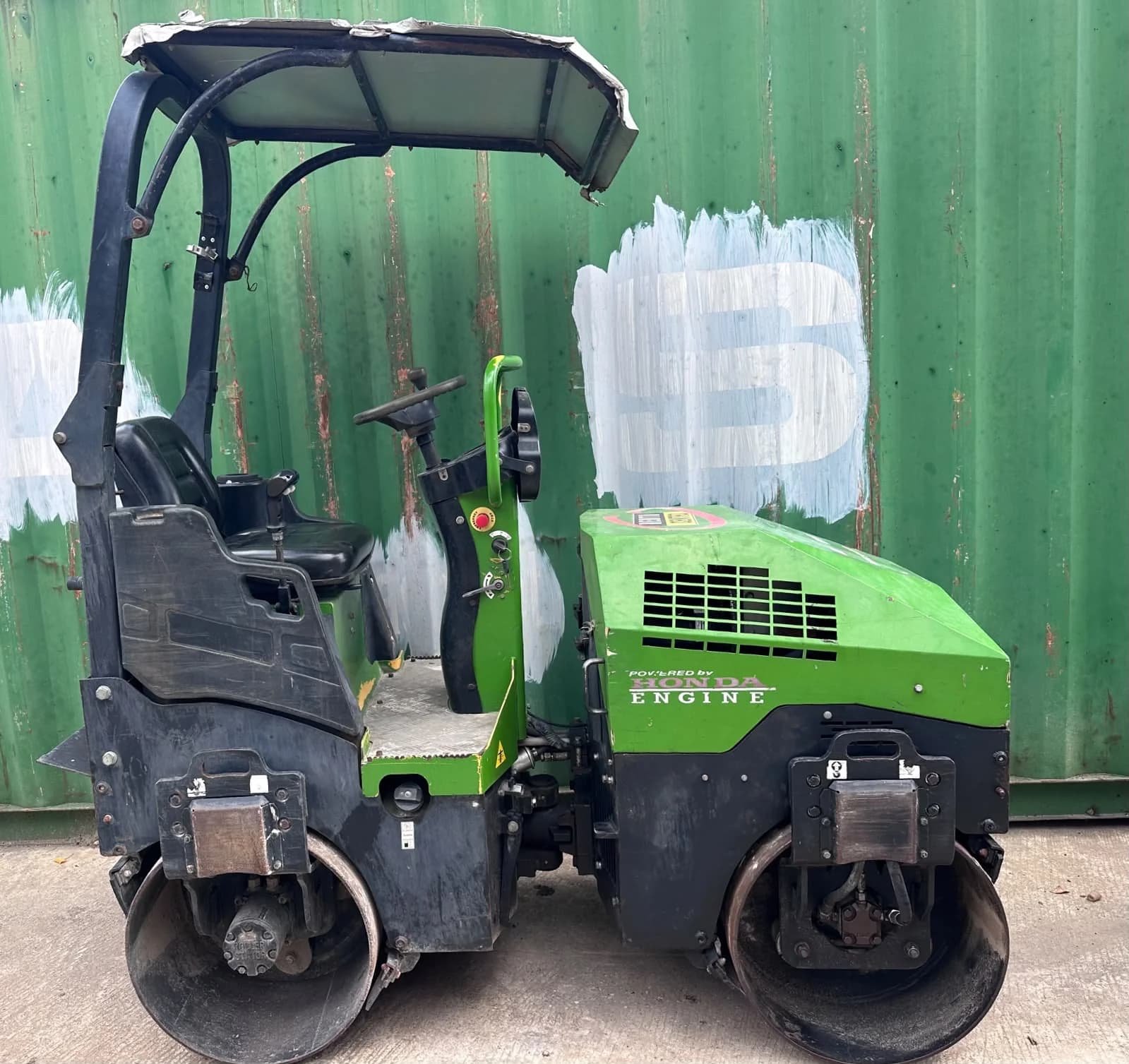
- SIMAQ SQRD L51 ride-on: 1.5 t class, smooth vibrating drum, hydrostatic drive and an onboard operator. 13 HP Honda GX390 engine.
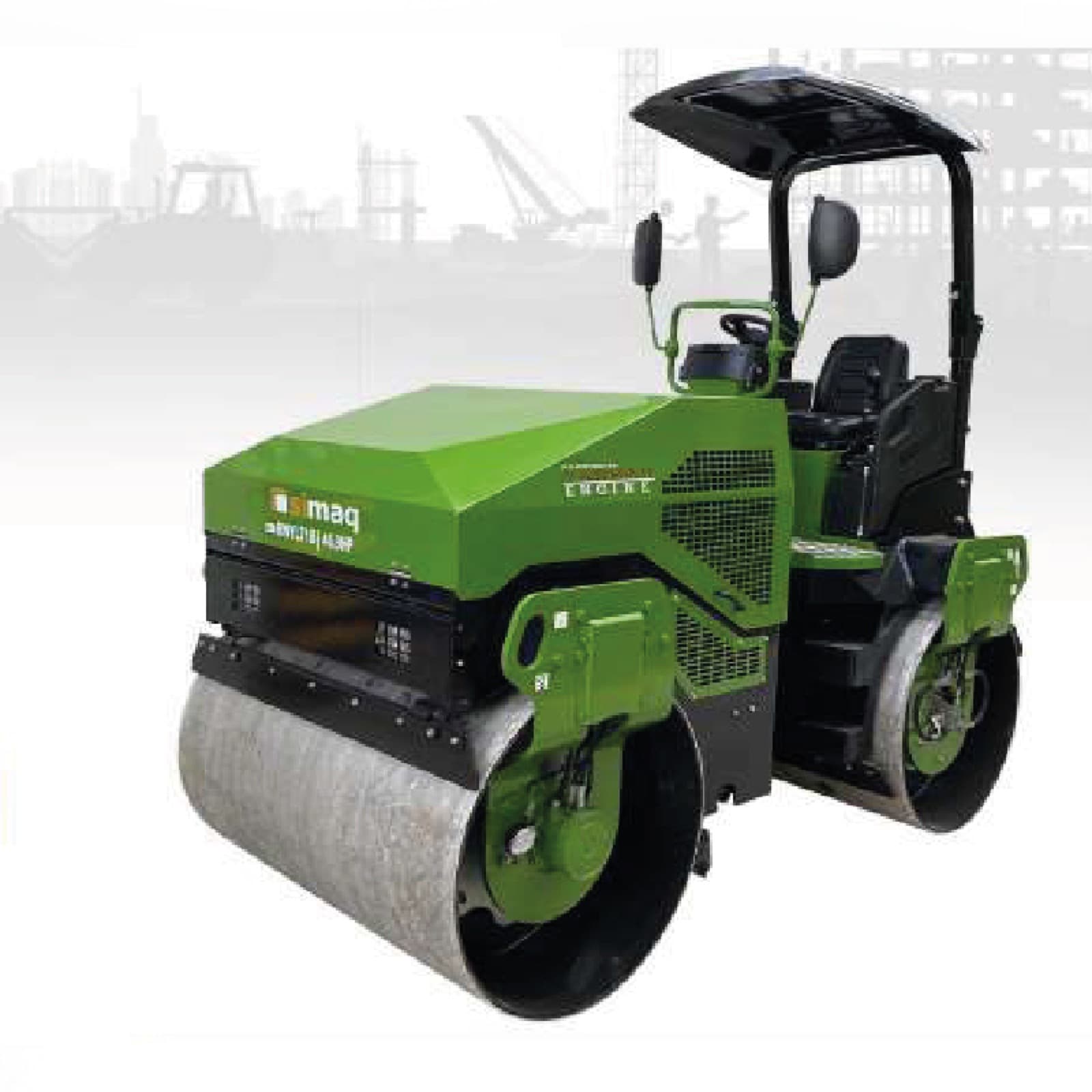
- SIMAQ SQRD L71 smooth tandem: 4.2 t working class, both drums vibrating at 40 kN, 0–12 km/h, 40% gradeability, Yanmar 4TNV88 diesel engine.
When the walk-behind wins (0.8 t)
- Asphalt patching: even vibration and fine control.
- Sidewalks, curbs, ramps and narrow accesses.
- Areas where a bigger roller can't get in or turn.
When the ride-on wins (1.5 t)
- Embankments and open-area layers: far more output than the walk-behind.
- Parking lots, internal subdivision streets and minor roads.
- Long days: seated, the operator keeps the pace all day.
- You can request it with a certified operator; confirm in the quote whether the rate includes one (some published rates explicitly exclude it).
 Reference image
When the 4.2 t tandem wins
- Road base and asphalt mat: both drums vibrate and close each layer.
- Long stretches: it reaches 12 km/h between passes.
- Slopes: handles up to 40%.
- Subdivisions and road maintenance, where layers are inspected and accepted.
'Smooth drum' and 'padfoot': what they mean
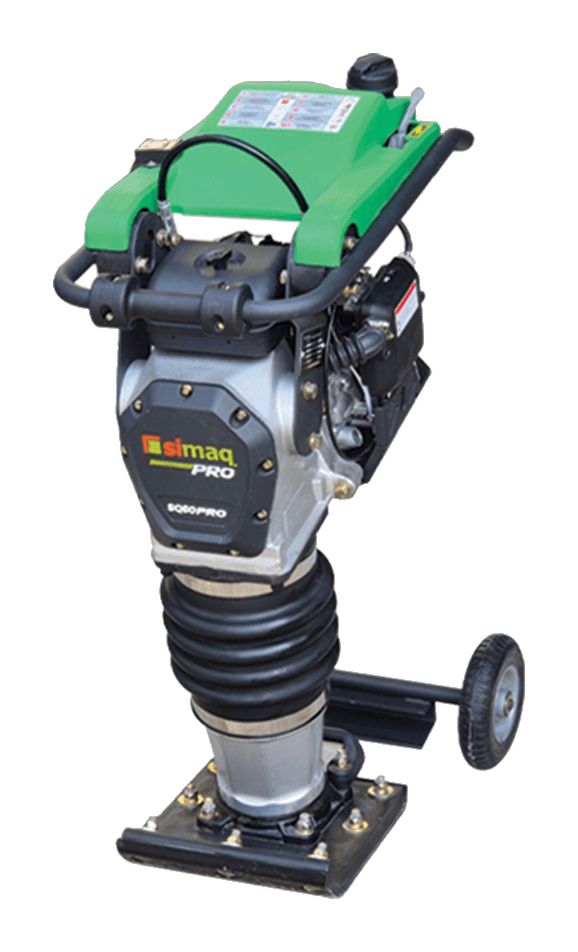
A smooth drum has a flat surface: it leaves an even finish and suits asphalt, granular bases and layers where the surface matters. All three fleet rollers are smooth vibrating drums. A padfoot (sheepsfoot) roller — a drum with protruding pads — is used on clay soils; for clay in trenches or confined backfill, the rammer works by impact and is the fleet's option.
 Reference image
What to give when quoting a roller
- What you'll compact: base, embankment, patching or asphalt mat.
- Approximate area and the width of the access the roller goes through.
- Layer thickness the spec calls for and whether there's lab control.
- Whether there are trenches: add a rammer to the same quote.
- Dates, and whether you want the ride-on with a certified operator.
Common mistakes
- One roller for the whole job: you almost always need two different compaction machines, not one bigger one.
- Putting a roller in a trench: that's rammer territory.
- Layers thicker than the spec allows: the surface ends up hard and the bottom stays loose.
- Compacting material that's bone-dry or saturated: fix the moisture before blaming the roller.
Frequently asked questions
What is a ride-on roller?
A compaction roller where the operator sits on the machine instead of walking behind it. The fleet's is the 1.5 t SIMAQ SQRD L51, with a smooth vibrating drum and hydrostatic drive.
What is a smooth-drum roller?
A roller with a flat drum and no pads, which leaves an even surface. The SIMAQ SQRD L71 smooth double-drum tandem (4.2 t) vibrates both drums and is the one for base and asphalt mat.
Which roller do I need for asphalt?
For patching, the 0.8 t walk-behind double drum; for stretches of road mat, the 4.2 t tandem.
Do you rent the roller with an operator?
The ride-on roller can be rented with a certified operator. Some published rates explicitly exclude one: the equipment page says so in the rate note, and the proposal puts it in writing.
And for compacting inside a trench?
A rammer (jumping jack): it compacts at trench width and next to pipe without damaging it. The SIMAQ SQ60 PRO is the most-stocked machine in the whole fleet.
Equipment in this guide
Add them to your quote with the + button and send them together, with dates, in a single request.
 SIMAQ SQRDWB L34 Double-Drum Roller (0.8 t)
Walk-behind double vibrating drum for base and asphalt.
Get a quote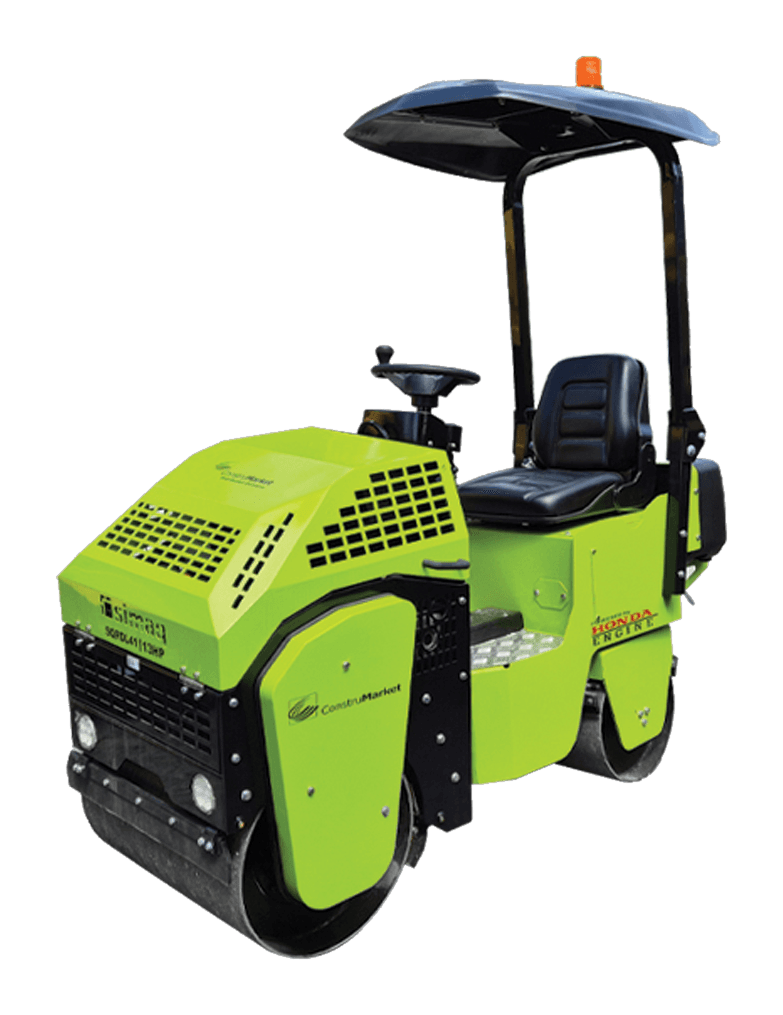 SIMAQ SQRD L51 Ride-On Roller (1.5 t)
Ride-on compaction for embankment and minor roadwork.
Get a quote