
At a glance
| Term | Best if… | Watch out for… |
|---|---|---|
| Day | One-off task, work spike or backup | Covers 8 machine hours; the rest is overtime |
| Week | A stage of several consecutive days | Counted per started period: 9 days = 2 weeks |
| 15 days | Stages of about two weeks | Also per started period |
| Month | Continuous work over 3–4 weeks | Paying a month for intermittent work |
| 6–24 months | Sustained operation | Preferred terms and rent-to-own |
First: count days of USE, not calendar days
Before quoting, answer one question: how many days will the machine actually WORK, and how consecutive are they? A 3-day trench can stretch into 2 calendar weeks due to weather, permits or other trades. If the machine will wait alongside you, two well-scheduled short rentals may beat one long one; if it works non-stop, the longer term lowers the unit rate.
The started period, with an example
Weekly, 15-day and monthly rates count per started period: if you rent at a weekly rate and the machine stays 9 days, that's 2 weeks; at a 15-day rate, 1 period; at a monthly rate, 1 month. Hourly rates are estimated at 8 machine hours per day, and a rental day covers 8 hours — anything beyond is overtime on the hour meter. So before choosing, lay your days of use next to each period and see which leaves the fewest paid-but-unused days.
When daily makes sense
- Short, well-defined jobs: demolishing a wall, compacting backfill, lifting or unloading material over a weekend.
- Work spikes: an extra front that lasts only a few days and doesn't justify keeping equipment longer.
- Backup: your own machine is in the shop and the job can't stop in the meantime.
When weekly or 15-day makes sense
- Full stages: earthworks for one front, foundations, a slab pour — tasks that keep the machine busy several days in a row.
- Try before you decide: a week with the machine on YOUR site says more than any spec sheet — ideal if you're considering buying that line.
- 2-to-6-week projects with rotating fronts: chain weeks together and adjust the equipment mix between them.
When monthly makes sense — and long-term
If the machine works continuously for more than 3-4 weeks, monthly almost always wins: the unit rate drops and maintenance is scheduled calmly (and it's on us). If your operation needs it for months on end, 6-to-24-month contracts carry preferred terms and secure the machine for your project — including rent-to-own if you want to keep it at the end of the road.
The trick: quote the package with dates
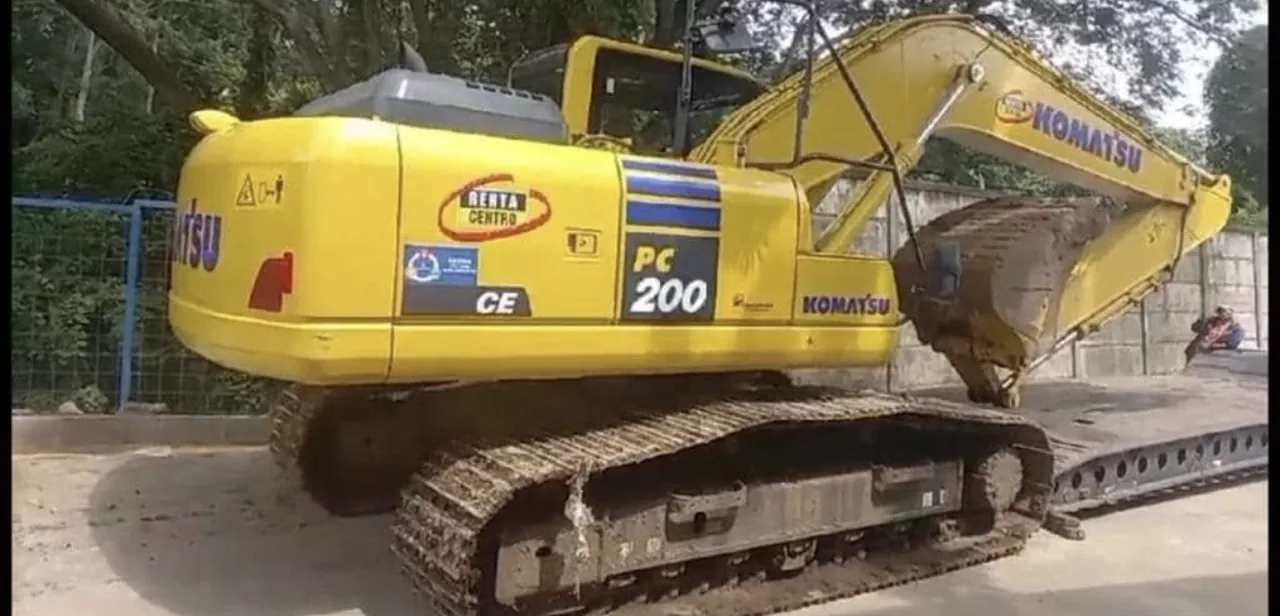
Our quote flow lets you build a multi-machine list and attach start and return dates. Quote the whole STAGE (excavator + roller + rammer, from the 4th to the 22nd) instead of machine by machine: you get one proposal aligned with your schedule and a single point of contact, who reaches you during business hours.
Common mistakes
- Paying a month for ten intermittent days of work.
- Renting by the day for a job that clearly lasts three weeks.
- Counting calendar days without allowing for weather, permits or other trades.
- Running one day past a weekly period unplanned: the started week is charged.
Frequently asked questions
Can I start daily and switch to weekly or monthly?
Yes — tell your advisor and the term is restructured based on availability. It's common: the first days on site confirm the real pace.
How is it counted if I go a couple of days past the week?
In the site's estimate, weekly, 15-day and monthly rates count per started period: 9 days at a weekly rate is 2 weeks. Your advisor confirms the formal proposal.
How many hours does a rental day cover?
8 machine hours. Anything the hour meter shows beyond that is billed as overtime; if you'll run double shifts, say so when you quote.
Does maintenance change with the term?
No: preventive and corrective maintenance is on us at any term. On long rentals it's scheduled around your usage hours so the job isn't interrupted.
Which term secures machine availability?
Long-term contracts (6 to 24 months) reserve the machine for your operation. For short terms, quoting with dates from the start lets us hold the machine for your window.